Feed Supply Chain ESG Assessment Tool
The World Wildlife Fund (WWF) launches the world’s first feed supply chain ESG assessment tool, which aims to measure the ESG performance of the feed supply chain in the animal breeding process and improve transparency and traceability.
Greenhouse gas emissions generated by global agriculture industry account for one-third of total emissions, and stakeholders’ focus is mainly on food consumption, animal carbon emissions and other aspects. The feed supply chain involved in most animal farming is still an aspect ignored by stakeholders. Feed production, transportation and procurement may involve greenhouse gas emissions. How to measure these emissions is under the focus of WWF.
Related Post: World Economic Forum Releases Sustainable Aquaculture Report
ESG Risks in the Feed Supply Chain
While key nutritional information (e.g., protein, amino acid) is available to feed buyers, it is difficult to understand where the feed raw materials come from and how they are produced. Feed companies have many product suppliers, and the products of these suppliers may also come from their downstream suppliers, ultimately forming a huge supply chain. Some complex animal feeds may contain 50-75 different ingredients, and currently market participants are unable to trace greenhouse gas emissions information from each ingredient.
As global requirements on climate change gradually increase, agricultural production is facing more stringent information disclosure requirements. Plant products used in feed supply chains, such as soy and palm oil, may be involved in deforestation, and animal products used in feed supply chains, such as fishery by-products, may be involved in overfishing. These factors may lead to an increase in greenhouse gas emissions and bring ESG risks. Although ESG certifications are being incorporated into agriculture (such as Round Table on Responsible Soy), they are not yet widely available.
Introduction to Feed Supply Chain ESG Assessment Tool
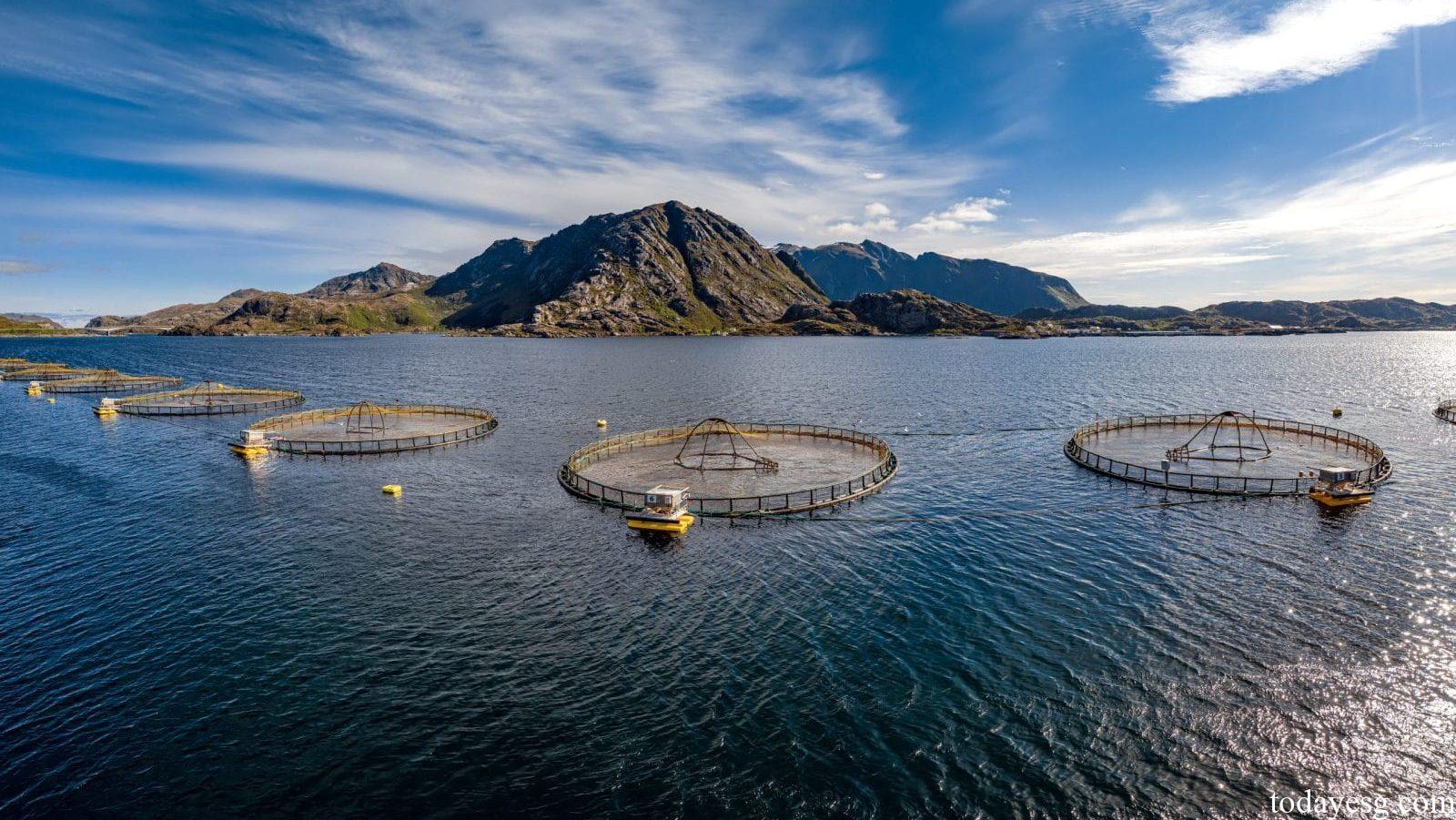
To address ESG risks in the feed supply chain, the WWF has partnered with the Global Salmon Initiative (GSI) to establish an ESG assessment tool to measure the ESG risks of salmon feeds and support companies to make decisions. This tool is the world’s first feed supply chain ESG assessment tool, enhancing participants’ understanding of ESG risks.
Since the Task Force on Climate-Related Financial Disclosures (TCFD) and the Task Force on Nature-Related Financial Disclosures (TNFD) have not yet made disclosure requirements for the feed supply chain, the ESG assessment tool developed by WWF will lead the market. Feed buyers can conduct ESG scores on feed suppliers and choose suppliers with higher overall scores. There are 13 specific categories of scoring dimensions, namely:
- Transparency: Is the feed supply chain transparent?
- Restorative land use and biodiversity practices: Does feed production affect ecosystems?
- Climate footprint: What are the greenhouse gas emissions for feed production? Does the production process change soil structure?
- Circularity: What by-products are produced in feed production? What is the recyclability of feed?
- Pollution: Will the feed cause water pollution?
- Fisheries: Do the feed raw materials involve fish that are prohibited from fishing?
- Water Consumption: Does feed production have an impact on freshwater resources? Have suppliers taken measures to alleviate water stress?
- Fish health and nutrition: Does feed have an impact on fish? Can feed change fish survival rates?
- Human nutrition and health: Does feed affect human health?
- Basic human rights: Does the feed supplier comply with labor regulations?
- Climate change impacts: Are there physical climate risks to feed? Will feed raw materials be subject to a carbon tax in the future?
- Governance: Does the feed supplier comply with relevant land and environmental regulations? Does the feed supplier have a risk assessment policy?
- Scalability: Does feed be used sustainably?
WWF plans to automate the data collection process to reduce the consumption of relevant personnel and funds and continue to expand the use of ESG assessment tools to other types of fishes.
Reference: