TNFD Updates for the First Time
The Task Force on Nature-related Financial Disclosures (TNFD) updates its recommendations and LEAP methodology for the first time, aiming to standardize nature related financial disclosures globally.
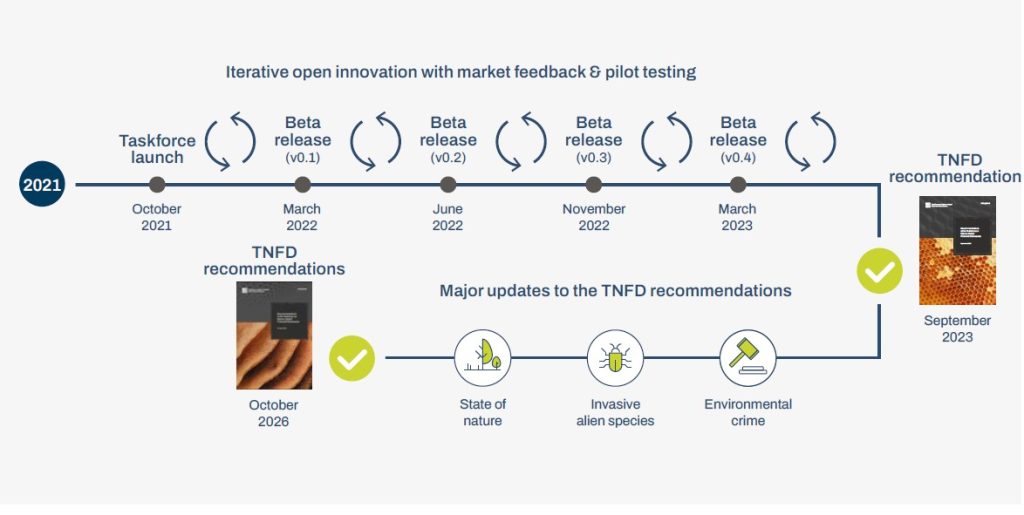
This is the first update of TNFD since the release of recommendations and LEAP methods in September 2023, reflecting the gradual transition of natural information disclosure from early attempts to mainstream practice.
Related Post: TNFD Issues Recommendations on Nature-related Information Disclosure
Global Status of Natural Information Disclosure
As of October 2026, 836 institutions worldwide have officially committed to writing reports in accordance with TNFD recommendations. Among them, the asset management scale of financial institutions has exceeded $26 trillion, a year-on-year increase of 19%, and the total market value of listed companies has exceeded $10.5 trillion, a year-on-year increase of 12%.
The 2026 Global Report released by TNFD in September 2026 shows that over 1100 institutions are conducting one or more nature related disclosures consistent with TNFD recommendations, with an average of 8 out of 14 recommendations being consistent. The institutions that have adopted TNFD recommendations have involved multiple industries and regions. Respondents stated that disclosure can help institutions understand natural dependencies and impacts, strengthen risk and opportunity management, and is key to incorporating natural knowledge into corporate strategies.
Updates on Recommendations on Natural Disclosure
TNFD suggests focusing on governance, strategy, risk management, indicators, and goals. This update includes:
- Indicators of natural state and invasive alien species: Previously, both existed in the format of Placeholder Indicators. From 2024 to 2026, TNFD established specific disclosure indicators through open innovation and pilot testing. For example, C5.0 ecosystem area (measuring the area, loss, and gain of natural ecosystems by type), and C5.1 ecosystem conditions (measuring the structure, function, and constituent elements of natural ecosystems by condition category).
- Core terminology: With the development of global natural disclosure standards, TNFD has updated the definition of key terms for core disclosure indicators, such as appropriate measures in the context of invasive alien species management.
- Hierarchical structure of indicator disclosure: TNFD includes core global indicators (comply or explain), core industry indicators (comply or explain), and additional disclosure indicators (disclosed in material situations). This update has improved several core global indicators.
Update of LEAP Method
The LEAP method is a comprehensive assessment approach used by TNFD to assist institutions in identifying, evaluating, and managing natural dependencies, impacts, risks, and opportunities. The first version of TNFD was released in September 2023, and the second version was released in October of this year. The second version update includes:
- Guidelines for measuring natural states: The second version of the method covers three areas: land, freshwater, and ocean. Institutions need to evaluate the current natural state based on reference conditions and measure changes in the state relative to the baseline.
- Guidelines for measuring invasive alien species: Invasive alien species are important drivers of natural change, and institutions may create or expand pathways for species introduction and diffusion through their own activities and value chains, thereby affecting ecosystems.
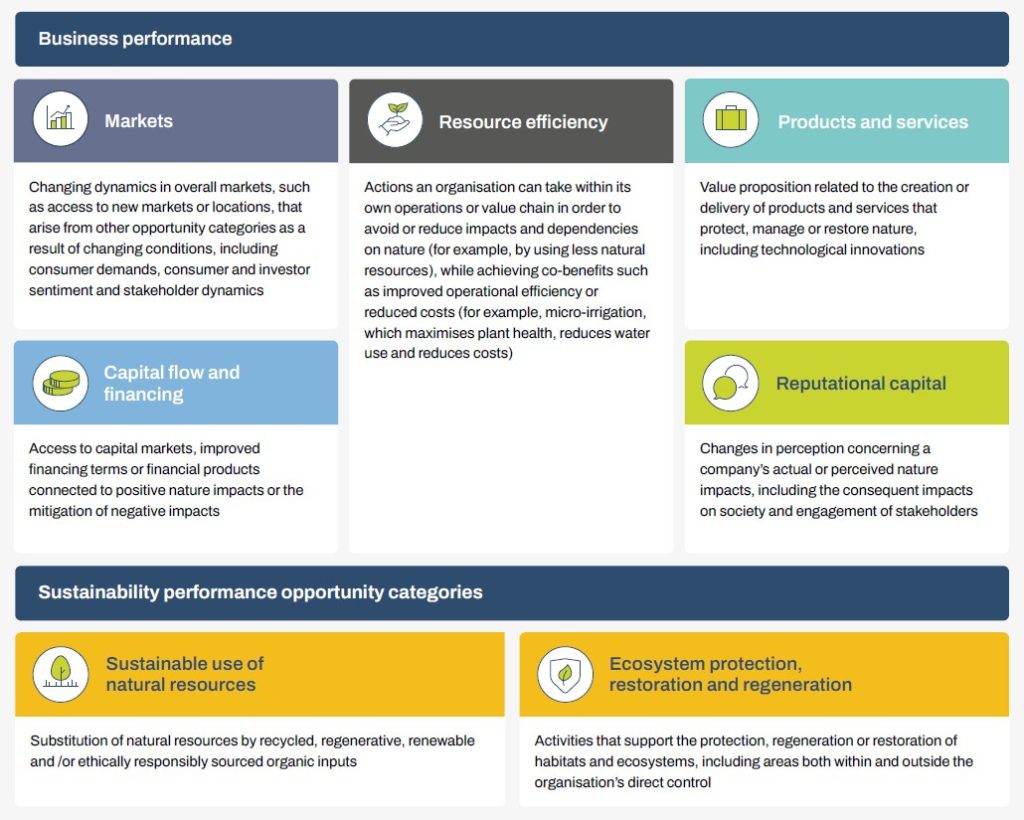
- Enhancing identification of nature-related opportunities: The second edition of the method enhances the identification and evaluation guidelines for nature related opportunities, helping institutions identify business and investment opportunities that can enhance nature while increasing value.
- Incorporating nature into transition planning: The second version of the method adds guidelines for incorporating nature into transition planning, responding to market concerns about the synergy between climate and nature. Institutions can consider their dependence, impact, risks, and opportunities on nature when developing transition plans.
- Optimizing investment portfolio analysis of Financial Institutions: The second version of the method considers the differences in implementing LEAP methods among different institutions, and develops different natural evaluation guidelines for asset owners, asset managers, banks, and insurance institutions.
Reference:
TNFD Releases Updated Guidance and Focuses on Market Capacity Building and Standard-setting Support